Ancient Rome Lives On: Sotheby’s Presents Magnum Opus in New York
The civilizations of antiquity continue to shape the foundations of the modern world. Their influence extends beyond history books into law, architecture, engineering, philosophy, governance, and the enduring traditions of artistic excellence. The objects they left behind are not merely archaeological discoveries they are surviving witnesses to humanity’s shared cultural inheritance.
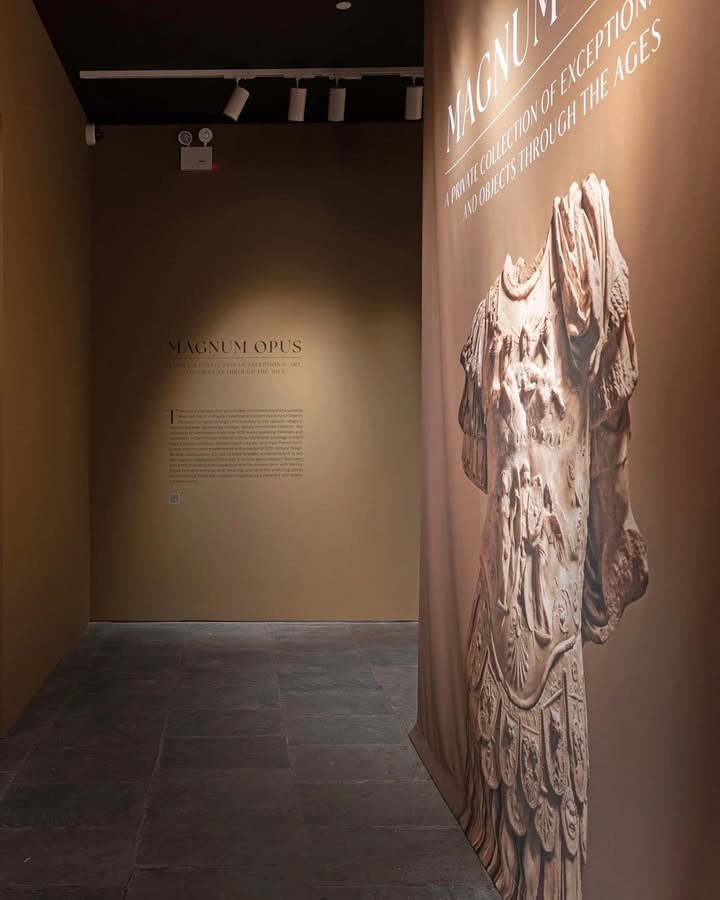
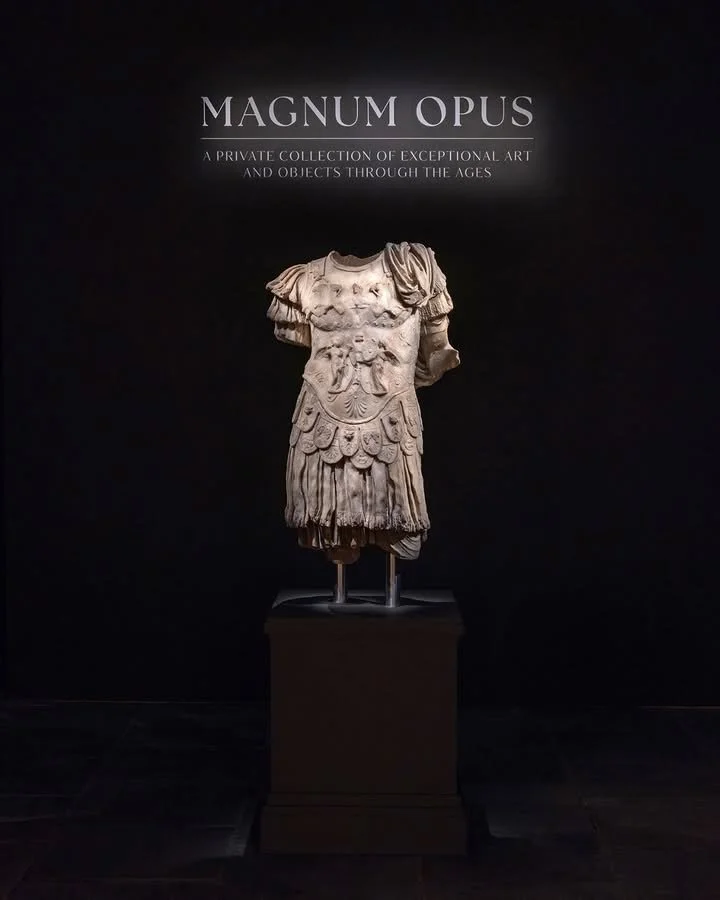
This autumn, Sotheby’s New York will present Magnum Opus: A Private Collection of Exceptional Art and Objects Through the Ages, an exhibition and series of sales bringing together remarkable works spanning centuries of human civilization. Among its most significant highlights is an extraordinary Roman imperial marble torso dating to the first half of the first century A.D., representing one of the Julio Claudian emperors and regarded as one of the most important Roman imperial sculptures to appear at auction in more than a decade.
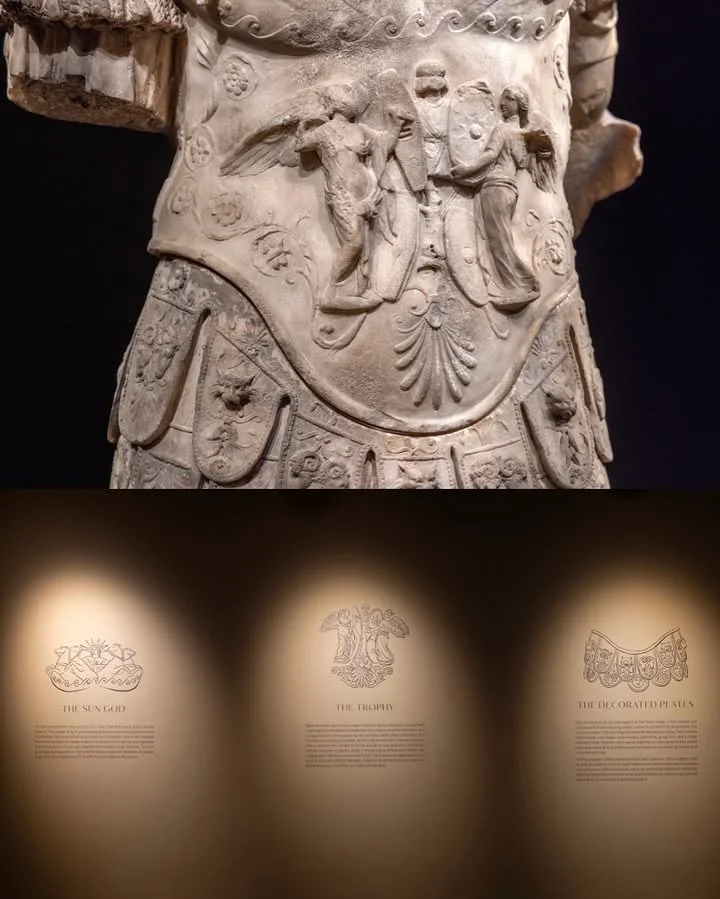
Although incomplete, the sculpture demonstrates the remarkable artistry of Roman workshops. Intricate military armor, symbolic ornamentation, and finely carved allegorical figures continue to communicate ideals of leadership, power, victory, and civic identity nearly two thousand years after they were first conceived. Time has altered the monument’s physical form, yet it has not diminished its historical voice.
Great works of art endure because generations of collectors, museums, scholars, conservators, and cultural institutions have recognized their responsibility to preserve them. Stewardship extends beyond ownership; it is the careful protection, study, and interpretation of objects so that future generations may continue to learn from them.
At the McWhorter Family Trust, we believe cultural stewardship is among humanity’s greatest responsibilities. Every manuscript, painting, sculpture, architectural monument, and historical archive represents a chapter in the collective story of civilization. Preserving these works ensures that the achievements, ideas, and aspirations of previous generations remain accessible to those yet to come.
Objects of exceptional significance invite more than admiration they encourage reflection. They remind us that civilizations are remembered not only for the wealth they accumulated, but for the knowledge they preserved, the institutions they established, and the cultural legacy they entrusted to the future.
As Magnum Opus arrives in New York, it offers visitors an opportunity to encounter history firsthand. Such exhibitions reinforce the importance of museums, archives, academic research, and responsible collecting in safeguarding the world’s artistic and historical heritage.
The preservation of civilization is not accomplished in a single generation. It is a continuous act of stewardship carried forward by those who recognize that history is among humanity’s most valuable inheritances.