The Stewardship of History: Why Museums, Archives, and Cultural Institutions Matter
Civilizations are remembered not only through the achievements of their leaders, but through the institutions that safeguard their collective memory.
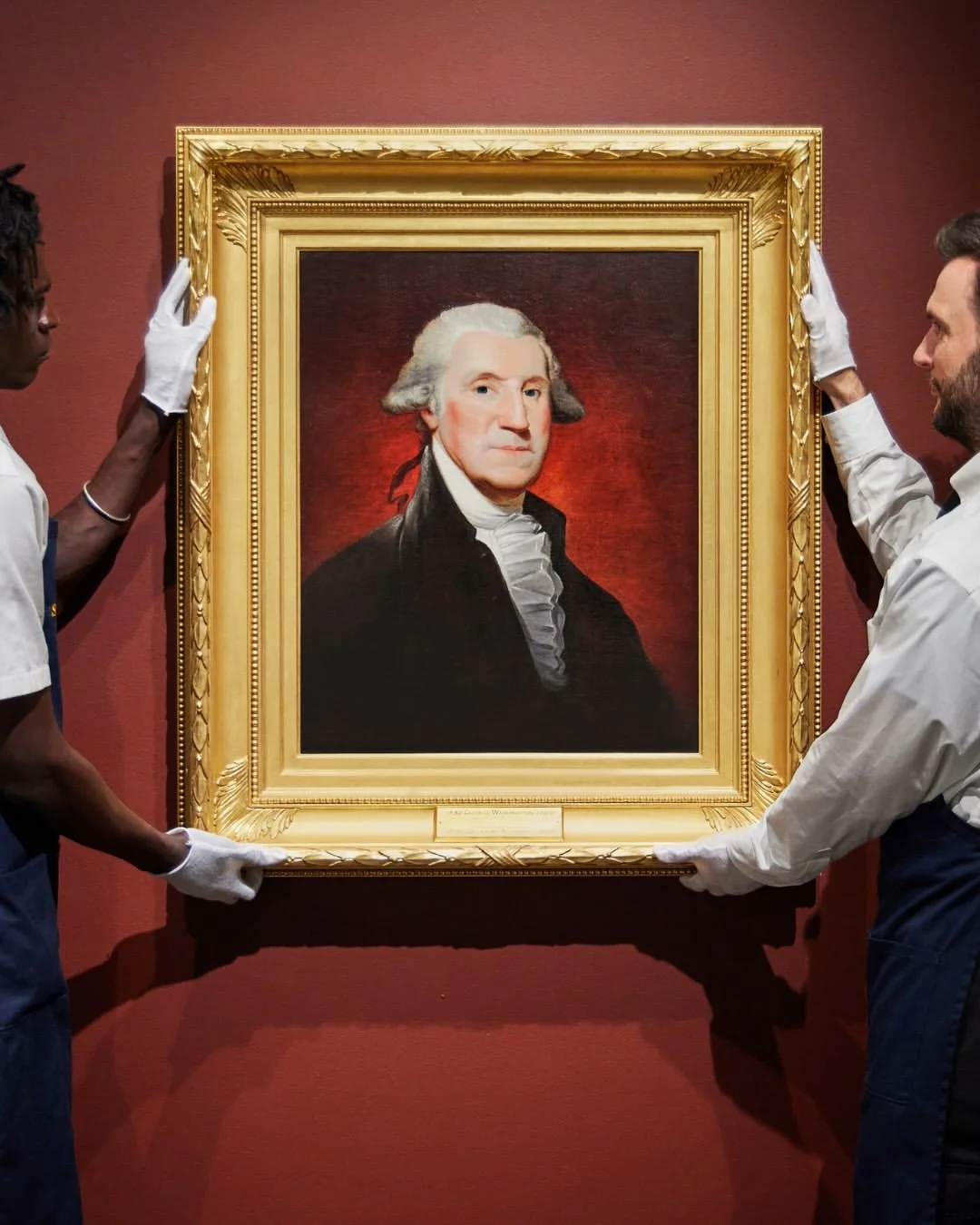
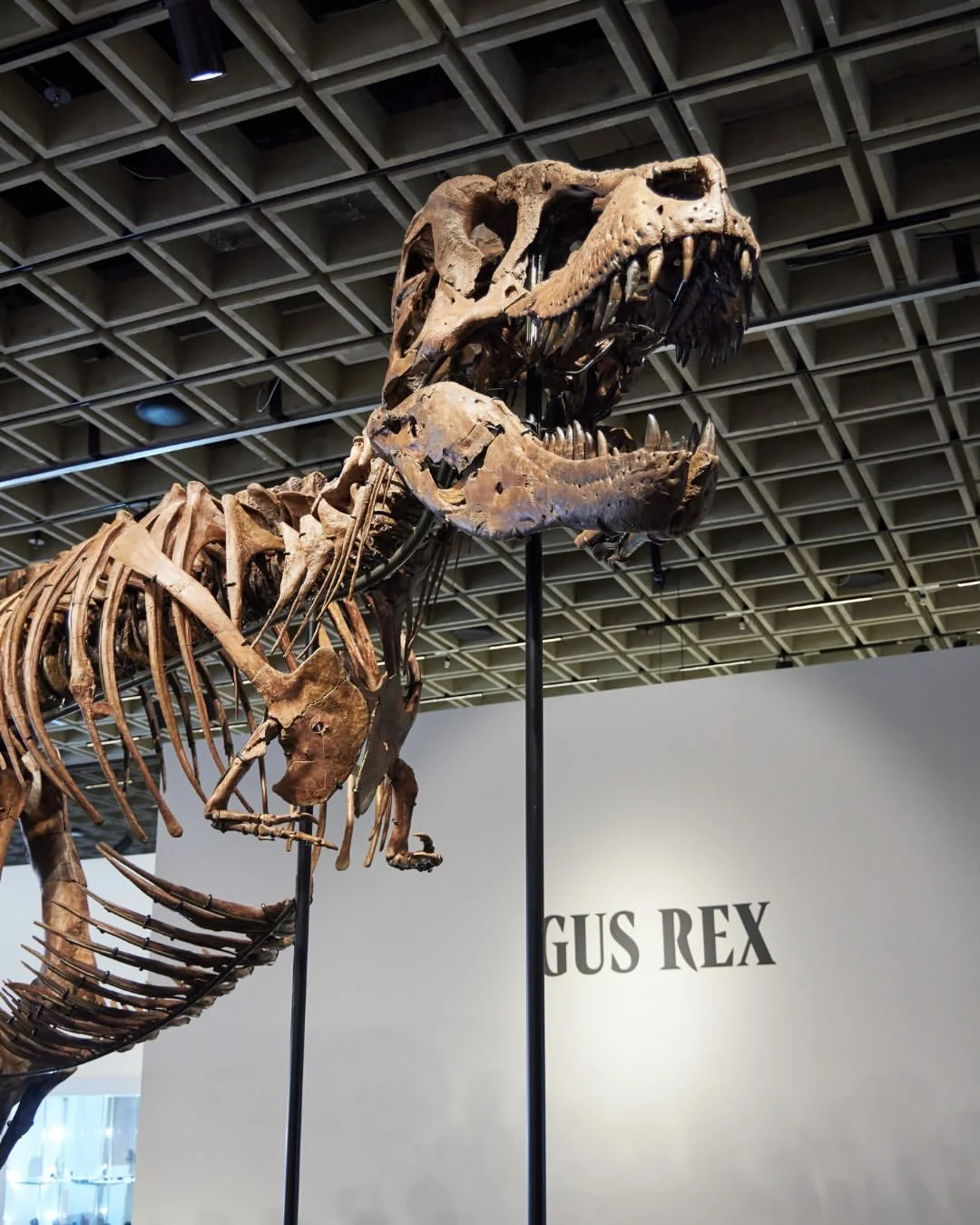
Museums preserve culture. Archives protect documentary history. Libraries safeguard knowledge. Sacred spaces preserve faith. Historic homes and estates carry forward generations of craftsmanship, tradition, and identity. Together, these institutions ensure that the story of civilization remains accessible to those who will inherit it.
Each generation becomes a steward of what it receives.
The remarkable collections entrusted to museums and cultural institutions around the world remind us that history is never static. It is continually interpreted, preserved, studied, and shared by those committed to protecting humanity’s artistic, scientific, religious, and cultural achievements.
These collections often represent decades or even centuries of thoughtful stewardship by families, collectors, philanthropists, scholars, and institutions who understood that preserving the past is an investment in the future.
At the McWhorter Foundation, we believe that preservation is an act of service. Stewardship extends beyond protecting objects; it includes preserving the ideas, values, and stories that shape civilization itself.
Our work is guided by five enduring principles:
• Faith
• Stewardship
• Preservation
• Community
• Education
These principles reflect our commitment to supporting museums, archives, libraries, historic properties, educational institutions, and other organizations dedicated to protecting cultural heritage for future generations.
The preservation of civilization has never been the responsibility of one generation alone. Every generation receives an inheritance, adds to it, and entrusts it to those who follow.
Legacy is not measured only by what we build.
It is measured by what we choose to preserve.
Heritage preserved. Legacy continued.