
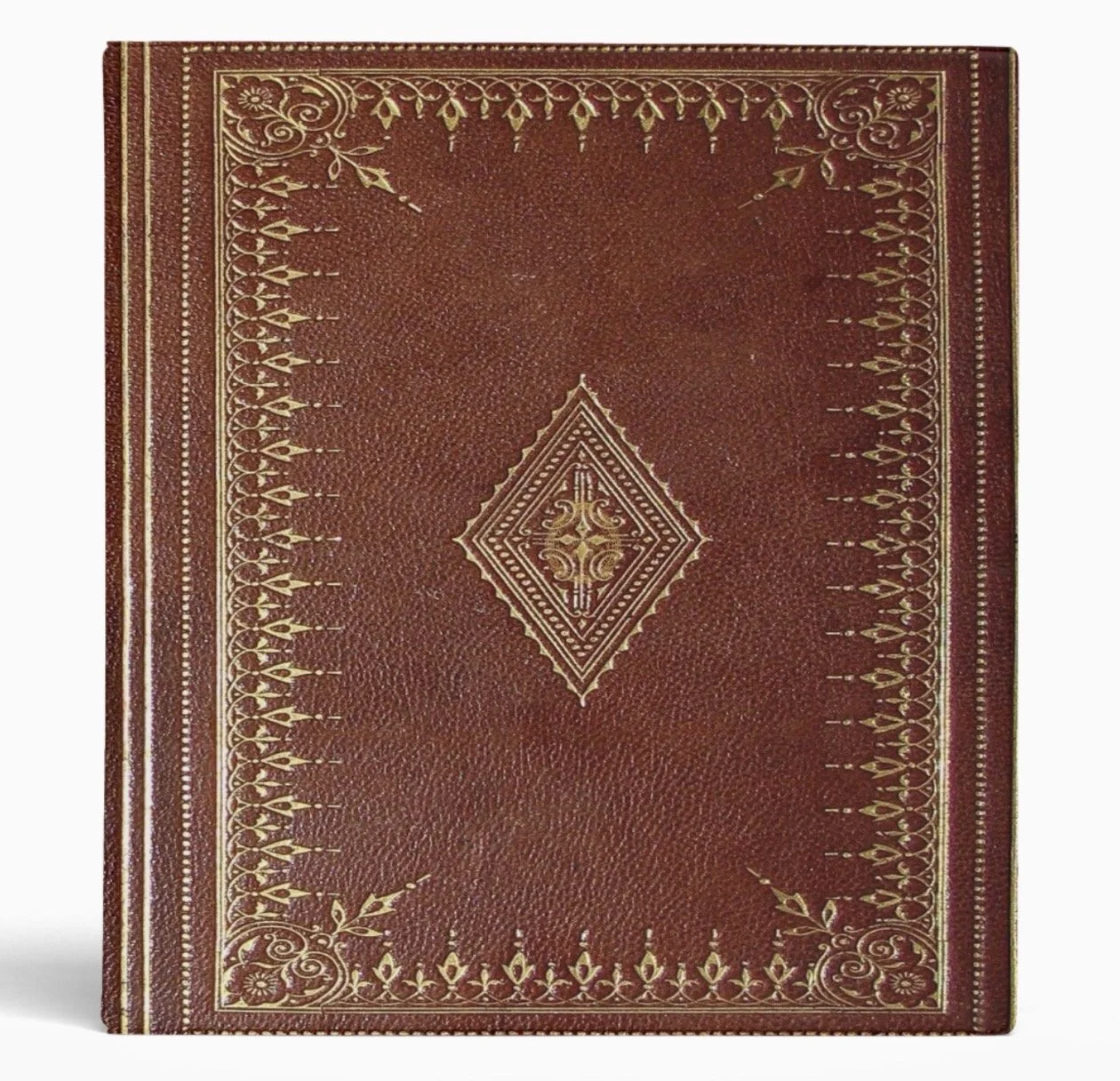
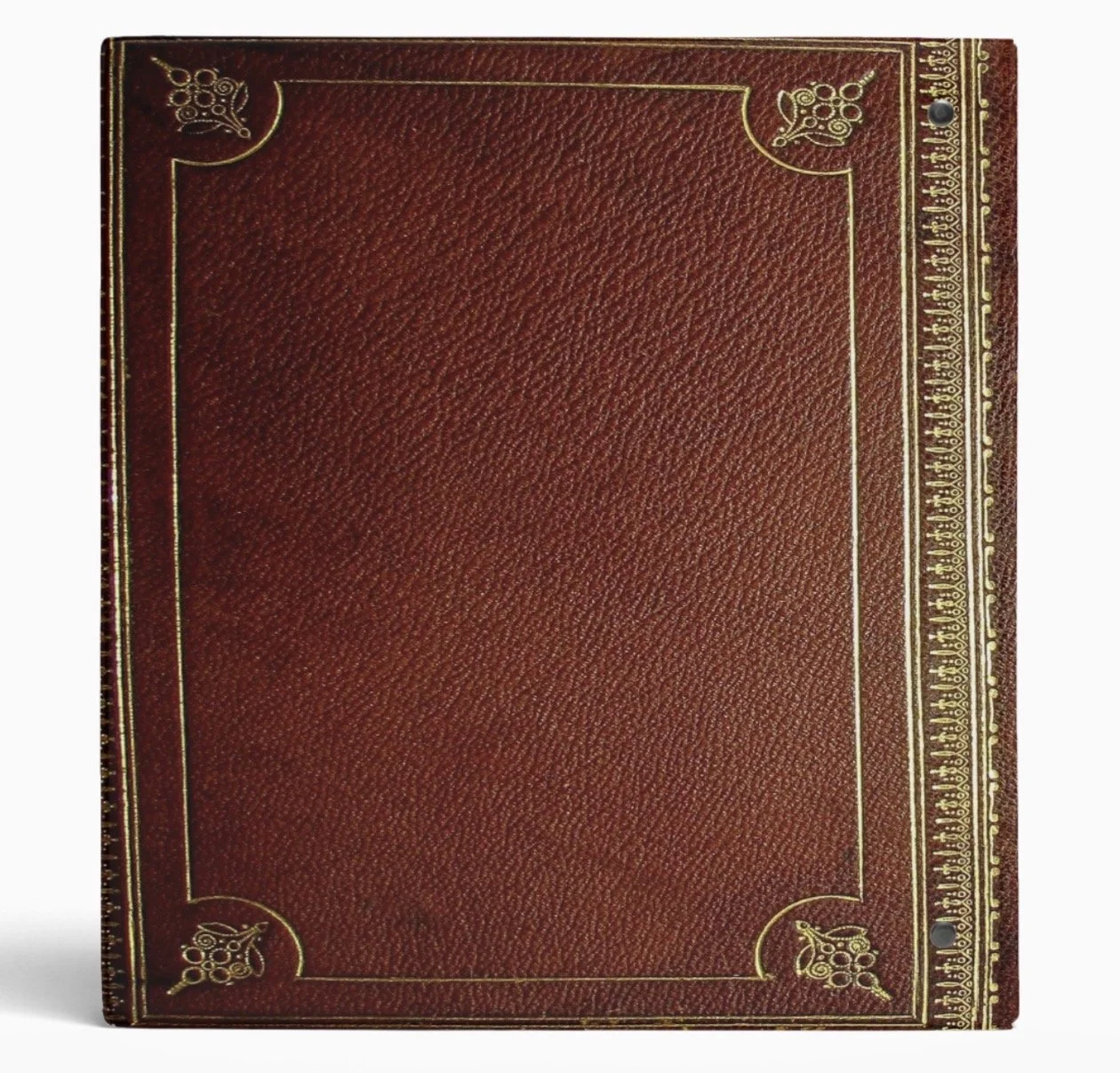
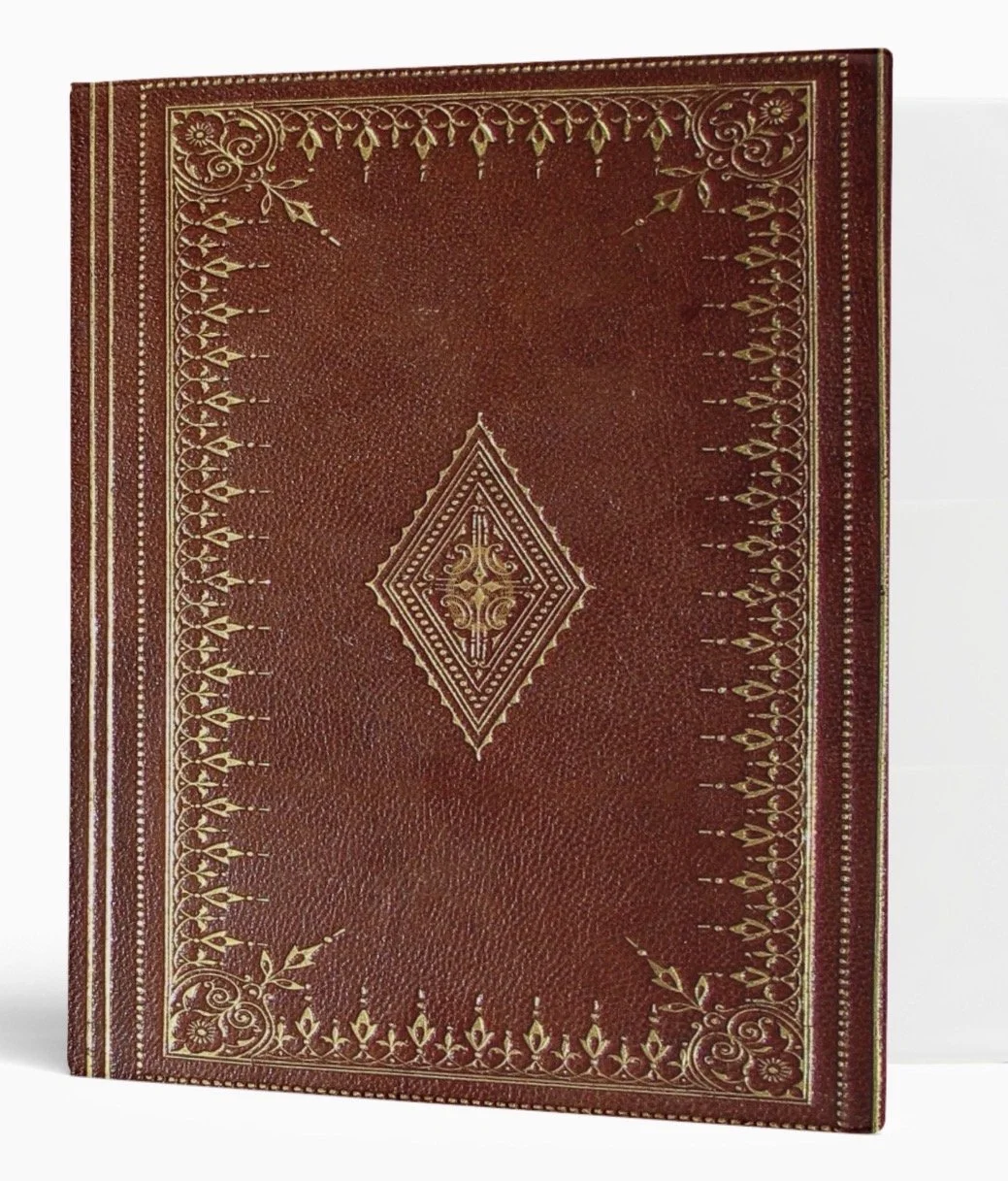
1050 AD. Codex Vol. I is conceived as a private archive of principles that shape civilization preserved through image, essay, reference, and reflection.
Within its pages, the volume moves across the disciplines that have long defined human stewardship:
Architecture : sacred spaces, estates, cities, proportion, craft, and the built environments that outlast generations.
History : family records, cultural memory, institutions, exploration, and the people whose decisions shaped the world around them.
Science : astronomy, cartography, engineering, natural systems, discovery, and the pursuit of knowledge.
Law :order, governance, rights, responsibility, and the frameworks through which societies endure.
Mathematics : number, geometry, measurement, symmetry, finance, and the invisible structures behind design and progress.
Commerce : trade, enterprise, markets, collecting, patronage, and the stewardship of capital across generations.
Art : painting, sculpture, decorative arts, horology, objects of beauty, and the preservation of cultural expression.
Philosophy : faith, ethics, legacy, duty, imagination, and the enduring question of what a life and a family should build toward.
Bound together, these subjects form more than a collection of interests. 1050 AD. Codex Vol. I is a study of inheritance: what is received, what is protected.
1050 AD. Codex Vol. I is conceived as a private archive of principles that shape civilization preserved through image, essay, reference, and reflection.
Within its pages, the volume moves across the disciplines that have long defined human stewardship:
Architecture : sacred spaces, estates, cities, proportion, craft, and the built environments that outlast generations.
History : family records, cultural memory, institutions, exploration, and the people whose decisions shaped the world around them.
Science : astronomy, cartography, engineering, natural systems, discovery, and the pursuit of knowledge.
Law :order, governance, rights, responsibility, and the frameworks through which societies endure.
Mathematics : number, geometry, measurement, symmetry, finance, and the invisible structures behind design and progress.
Commerce : trade, enterprise, markets, collecting, patronage, and the stewardship of capital across generations.
Art : painting, sculpture, decorative arts, horology, objects of beauty, and the preservation of cultural expression.
Philosophy : faith, ethics, legacy, duty, imagination, and the enduring question of what a life and a family should build toward.
Bound together, these subjects form more than a collection of interests. 1050 AD. Codex Vol. I is a study of inheritance: what is received, what is protected.