The Living Heritage of the Natural World: Conservation, Discovery, and Our Responsibility to Future Generations
An exploration of the interconnected ecosystems that sustain life, and the importance of preserving our natural inheritance.
The natural world represents one of humanity’s most extraordinary inheritances. From ancient forests and expansive mountain ranges to the intricate ecosystems that exist beneath our feet, the living world is sustained by relationships that are often invisible to the human eye, yet essential to the continuity of life.
For the McWhorter Foundation, the preservation of this inheritance begins with an appreciation of the complexity of nature and a recognition that conservation is not simply an environmental concern. It is a commitment to knowledge, stewardship, and the responsibility to ensure that future generations inherit a world rich in biodiversity and opportunity for discovery.
The Interconnectedness of Life
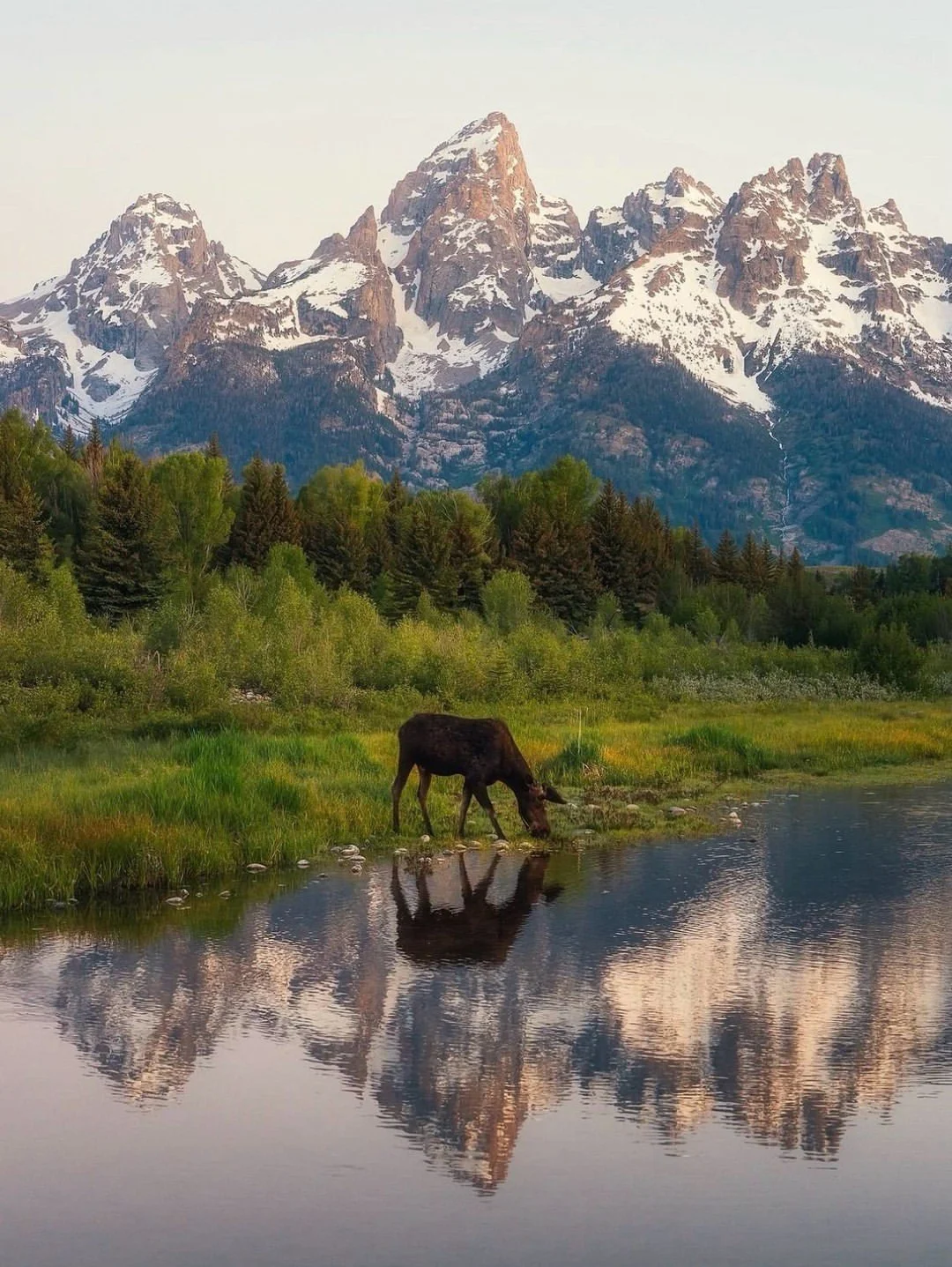
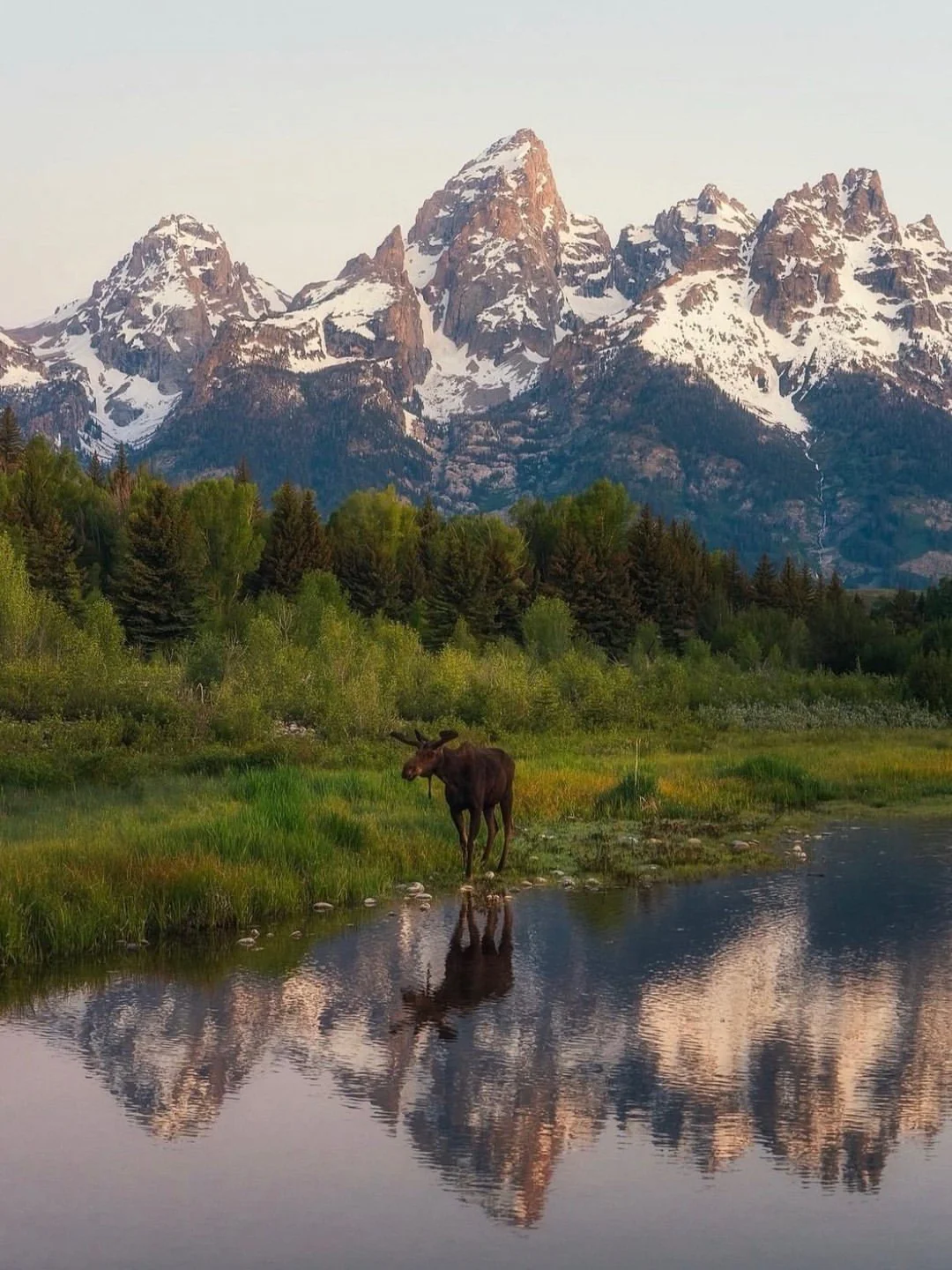
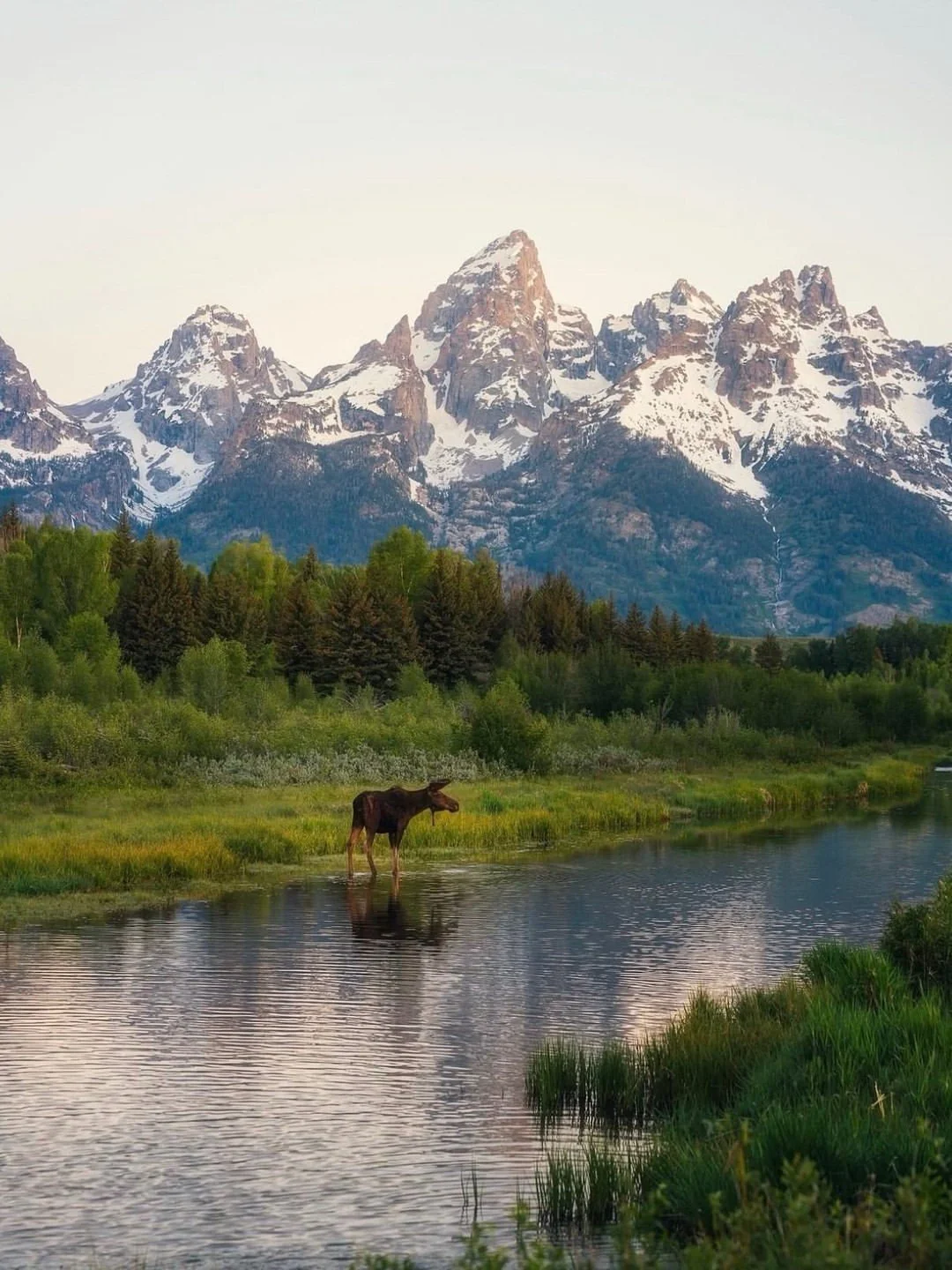
Few places illustrate the complexity of the natural world as vividly as Grand Teton National Park. Its dramatic mountain ranges, alpine environments, forests, and valleys support an extraordinary diversity of plant and animal life. More than a thousand plant species grow within the park and its surrounding landscapes, providing essential nourishment and habitat for the wildlife that inhabits the region.
Among these animals, the moose offers a compelling example of the intricate relationships that sustain an ecosystem. These large herbivores depend on a varied diet of vegetation, consuming substantial quantities of plant matter each day. Their ability to thrive in challenging environments depends not only on the availability of food but also on highly specialized digestive processes.
Within the digestive systems of moose and other ruminants, communities of microorganisms help break down tough plant fibers and make nutrients accessible. These microscopic organisms play an important role in the broader ecological story, demonstrating how the health and functioning of larger animals depend on life forms that are almost entirely invisible without scientific investigation.
Such relationships remind us that nature cannot be understood through individual species alone. Every organism exists within a wider network of dependencies, adaptations, and environmental conditions. The vitality of an ecosystem emerges from these relationships, making the preservation of biodiversity essential to the long-term health of the natural world.
Science as a Means of Understanding Our Inheritance
Scientific research continually reveals new dimensions of the living world. Advances in ecology, microbiology, and environmental science have expanded our understanding of how organisms interact with their habitats, how nutrients move through ecosystems, and how biological communities respond to changing conditions.
The study of animal digestion, for example, is not merely an investigation of an individual species. Research into the microbial communities of herbivores can contribute to a broader understanding of animal health, ecological adaptation, and the relationships between organisms and their environments.
This pursuit of knowledge reinforces the importance of supporting scientific inquiry and making discoveries accessible beyond academic institutions. The more thoroughly we understand the systems that sustain life, the better equipped we are to make informed decisions about conservation and environmental management.
For the McWhorter Foundation, scientific discovery and environmental stewardship are complementary pursuits. Knowledge deepens appreciation, and appreciation can inspire a more considered approach to the protection of our shared natural heritage.
Conservation as an Intergenerational Responsibility
The preservation of natural landscapes requires more than admiration for their beauty. It calls for sustained attention to habitats, responsible management of resources, and a willingness to consider the long-term consequences of human activity.
National parks and protected landscapes play an essential role in this effort. They conserve habitats, provide opportunities for research and education, and allow future generations to encounter ecosystems that might otherwise be diminished by development and environmental change.
Yet conservation is not confined to protected boundaries. The health of the natural world also depends on decisions made by communities, institutions, landowners, researchers, and individuals. Responsible stewardship can take many forms, from protecting wildlife corridors and restoring habitats to supporting environmental education and advancing scientific understanding.
An intergenerational perspective is particularly important. The consequences of environmental decisions often extend far beyond the period in which they are made. The benefits of preserving a forest, protecting a watershed, or maintaining a healthy habitat may be experienced by people who have not yet been born.
To approach conservation as a legacy is therefore to recognize that the natural world is not ours alone to consume or reshape. It is an inheritance entrusted to each generation, with an obligation to pass it forward in a condition that allows life to continue flourishing.
A Lasting Commitment to the Living World
The wonders of nature are found at every scale. They exist in the vastness of mountain landscapes, in the movement of wildlife across open valleys, and in the microscopic communities that help sustain life within an animal’s digestive system.
Together, these scales reveal a world of remarkable interdependence one in which even the smallest organisms contribute to processes that sustain larger systems.
The McWhorter Foundation recognizes the importance of preserving this natural inheritance through a continued appreciation for conservation, scientific discovery, and responsible environmental stewardship. By encouraging a deeper understanding of the relationships that sustain ecosystems, we can strengthen the case for protecting the landscapes and wildlife that enrich our world.
Ultimately, the measure of stewardship lies not only in what we preserve today, but in what remains possible tomorrow. A healthy natural world offers future generations more than beautiful landscapes. It offers opportunities for discovery, the continuation of biodiversity, and a deeper understanding of humanity’s place within the living world.
Protecting our natural heritage. Advancing knowledge. Preserving a legacy for generations to come.
McWhorter Foundation
Further Reading
National Park Service, Plants of Grand Teton National Park.
New York State Department of Environmental Conservation, Moose.
Ishaq, S. L., Kim, C. J., Reis, D., et al. (2015). “Fibrolytic bacteria isolated from the rumen of North American moose (Alces alces) and their use as a probiotic in neonatal lambs.” PLOS ONE, 10(12), e0144804. .