Piazza di Siena and the Enduring Value of Equestrian Tradition
McWhorter Foundation
Among the great cultural traditions of Europe, few have preserved the relationship between heritage, discipline, and excellence as effectively as the equestrian arts.
Each year, Rome’s historic Piazza di Siena welcomes riders, horses, military representatives, and spectators from around the world for one of the most respected competitions in international show jumping. Set within the gardens of Villa Borghese, the event represents far more than a sporting competition. It stands as a living example of how nations preserve cultural memory while transmitting timeless values to future generations.
In an age increasingly defined by speed, distraction, and technological acceleration, equestrian sport continues to reward qualities that cannot be manufactured overnight: patience, discipline, courage, composure, responsibility, and trust.
The partnership between horse and rider remains one of civilization’s oldest collaborations. For centuries, horsemanship served practical, agricultural, diplomatic, and military purposes. Long before the emergence of modern professional sports, riding was regarded as an essential component of leadership and personal formation throughout Europe and much of the Western world.
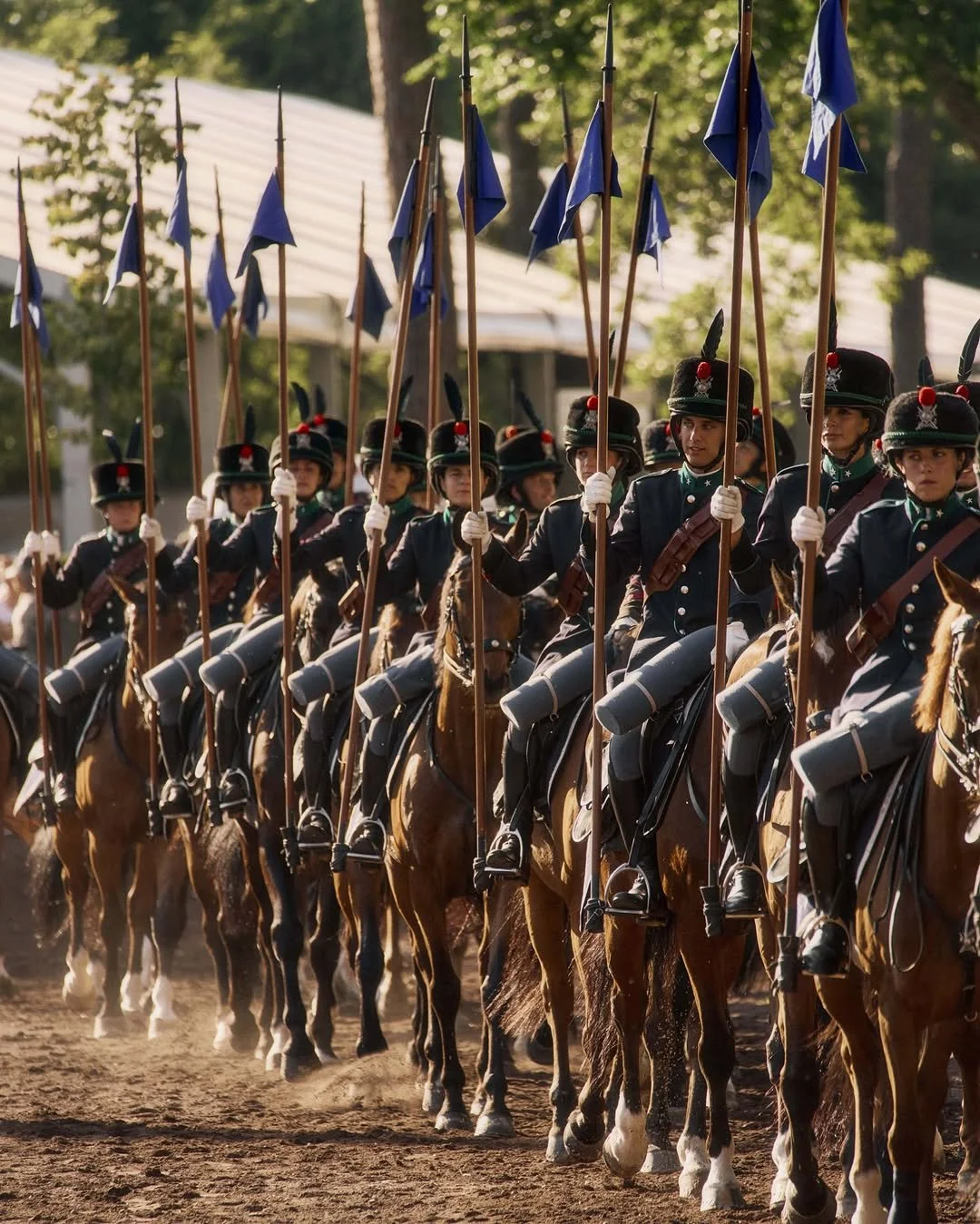
The continued presence of the Lancieri di Montebello, the historic cavalry regiment of the Italian Army, serves as a reminder that equestrian culture has always extended beyond recreation. It represents a living connection between public service, national identity, military tradition, and cultural stewardship.
The preservation of these traditions matters.
Equestrian institutions preserve more than athletic competition. They preserve standards. They cultivate discipline. They teach responsibility and restraint. They reinforce the understanding that mastery is earned through years of practice rather than moments of recognition.
These lessons remain as valuable today as they were generations ago.
Increasingly, the global equestrian community also represents an important intersection of culture, philanthropy, conservation, agriculture, and economic development. The international horse industry contributes billions of dollars annually to local economies while supporting land stewardship, veterinary science, breeding programs, education, and rural preservation efforts across multiple continents.
Yet the greatest value of equestrian sport may not be economic.
Its greatest contribution is cultural.
Equestrian traditions continue to transmit virtues that have become increasingly rare in modern society: respect for excellence, respect for heritage, respect for animals, and respect for the discipline required to achieve meaningful accomplishment.
At the McWhorter Foundation, we believe the preservation of equestrian culture is ultimately an investment in human development. The traditions maintained by institutions such as Piazza di Siena remind us that civilization is strengthened when excellence is cultivated deliberately and passed forward faithfully.
For generations, the horse has stood beside humanity in exploration, agriculture, service, ceremony, and sport.
The responsibility of stewardship is to ensure that this inheritance remains alive for generations yet to come.
As the riders enter the arena beneath the Roman pines of Villa Borghese, they participate in more than a competition.
They participate in a tradition.
And traditions worthy of preservation remain among civilization’s greatest assets.