The Preservation of Civilization Begins with the Preservation of Its Memory
How Jean François Champollion, King Charles X, and the Louvre helped safeguard one of humanity’s greatest civilizations.
For centuries, the monuments of ancient Egypt inspired wonder, yet much of their written history remained silent. Temples, obelisks, royal tombs, and sacred inscriptions stood before the world, but their language had been forgotten.
That changed in the nineteenth century through one of history’s greatest scholarly achievements.
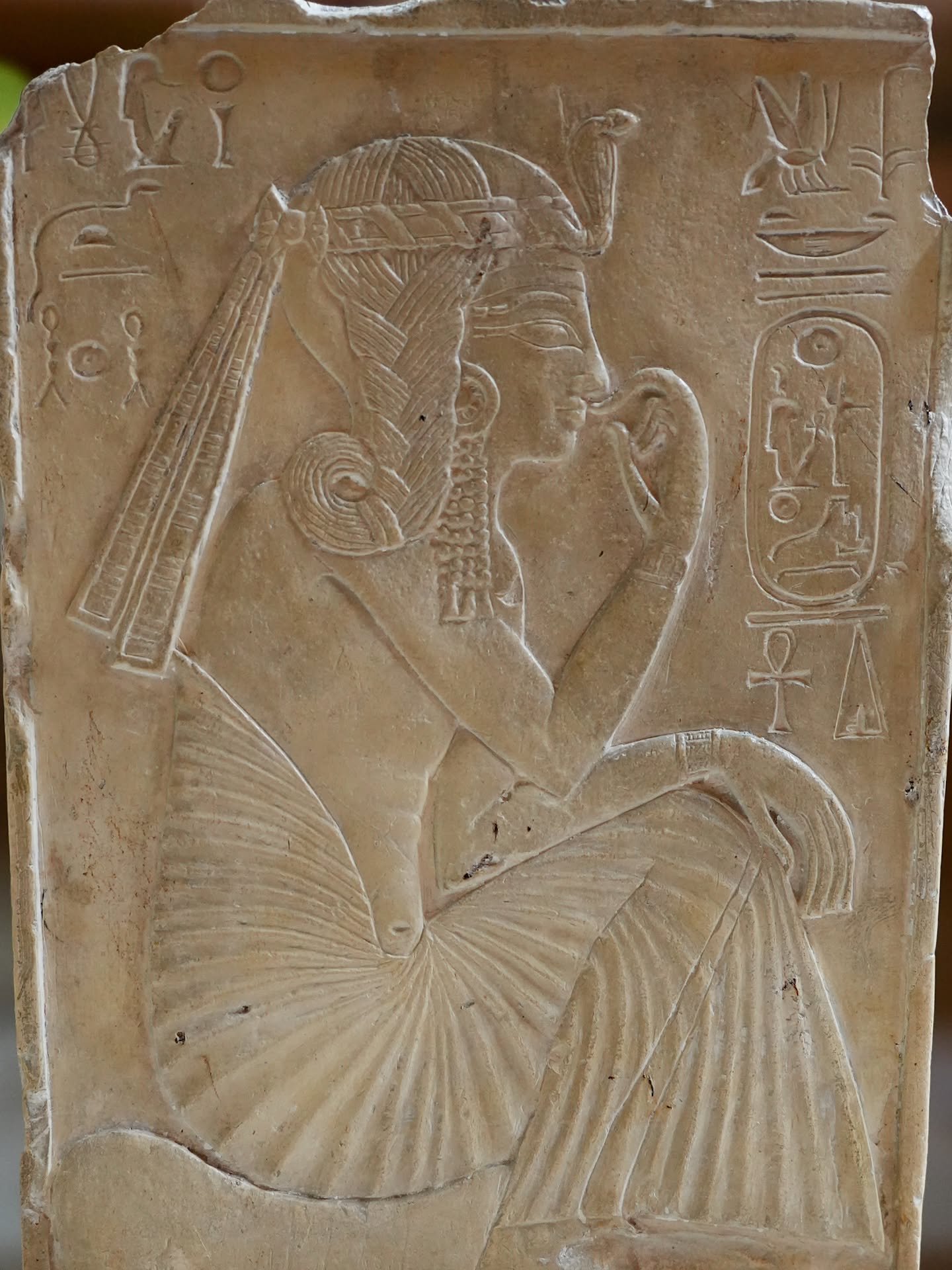
In 1822, French linguist Jean François Champollion successfully deciphered Egyptian hieroglyphs using the Rosetta Stone, restoring the ability to read a language that had remained largely unintelligible for nearly fifteen centuries. His breakthrough transformed Egypt from a civilization admired for its monuments into one whose own voices, beliefs, and history could once again be understood.
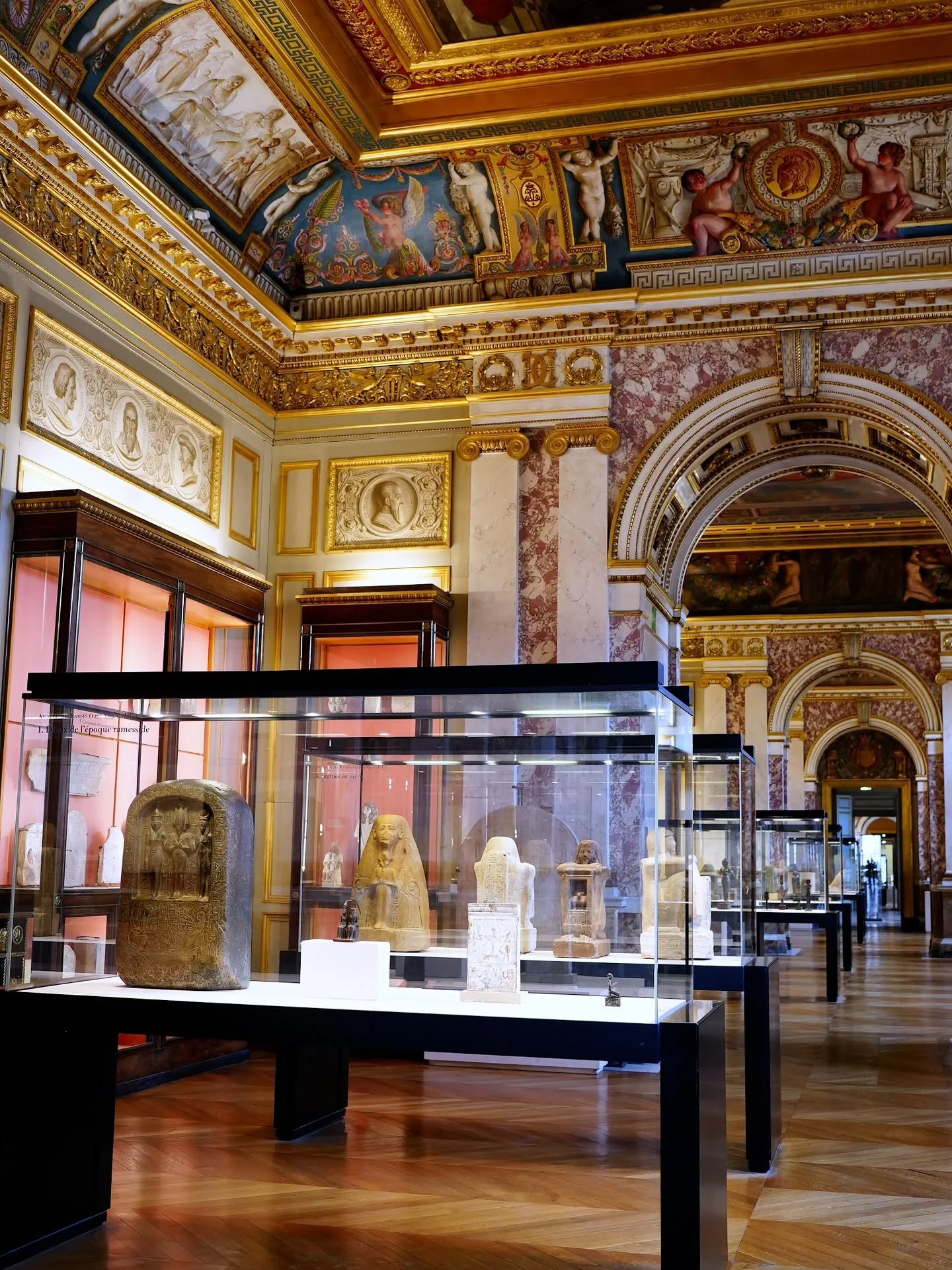
Recognizing the significance of this achievement, King Charles X of France commissioned Champollion to establish the Louvre’s first permanent Egyptian Museum in 1826 within what is now known as the Charles X Museum in the Sully Wing.
This decision represented far more than the creation of another museum gallery. It was a declaration that civilization bears a responsibility not merely to possess great antiquities, but to preserve, study, interpret, and faithfully transmit them to future generations.
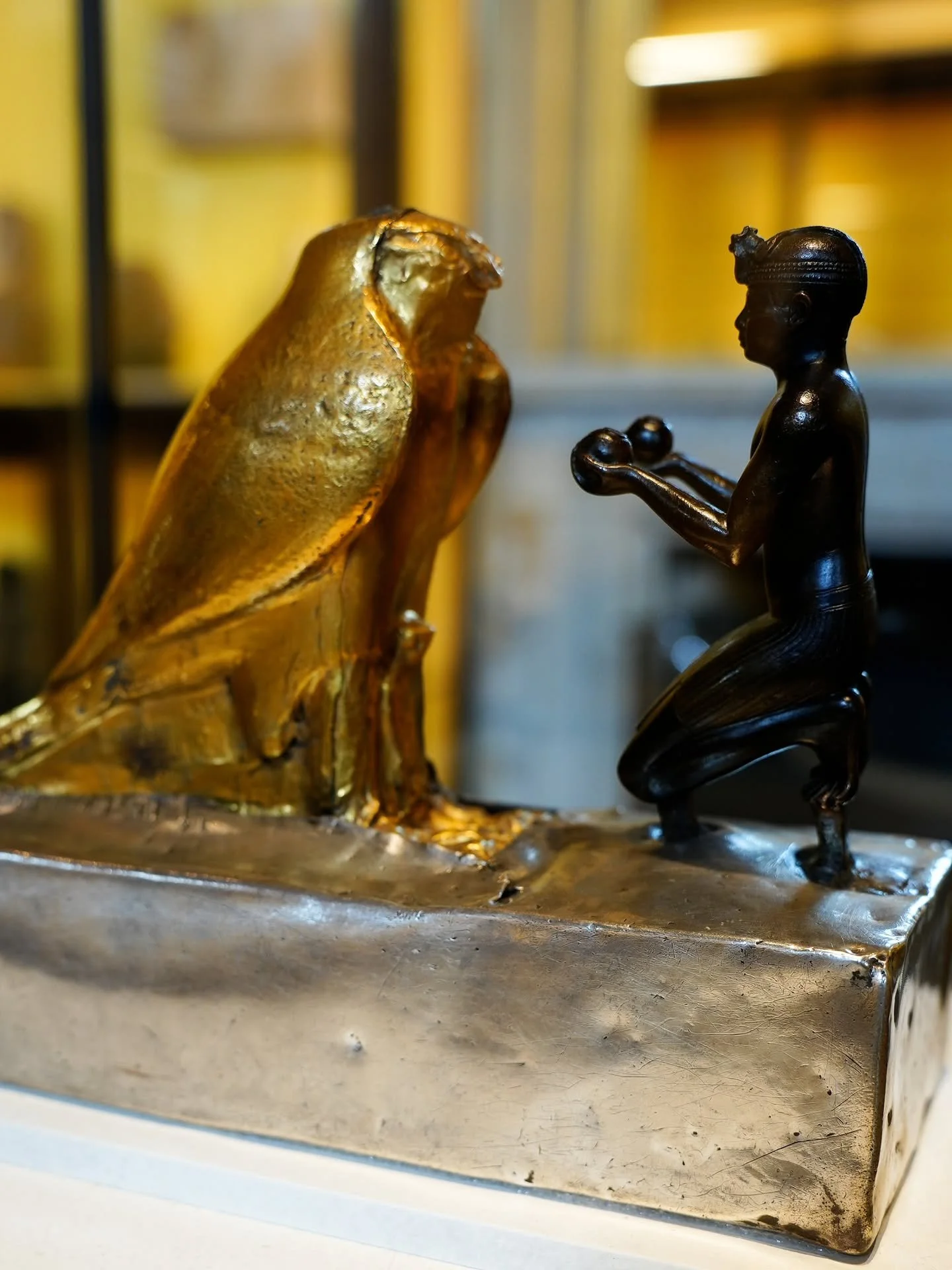
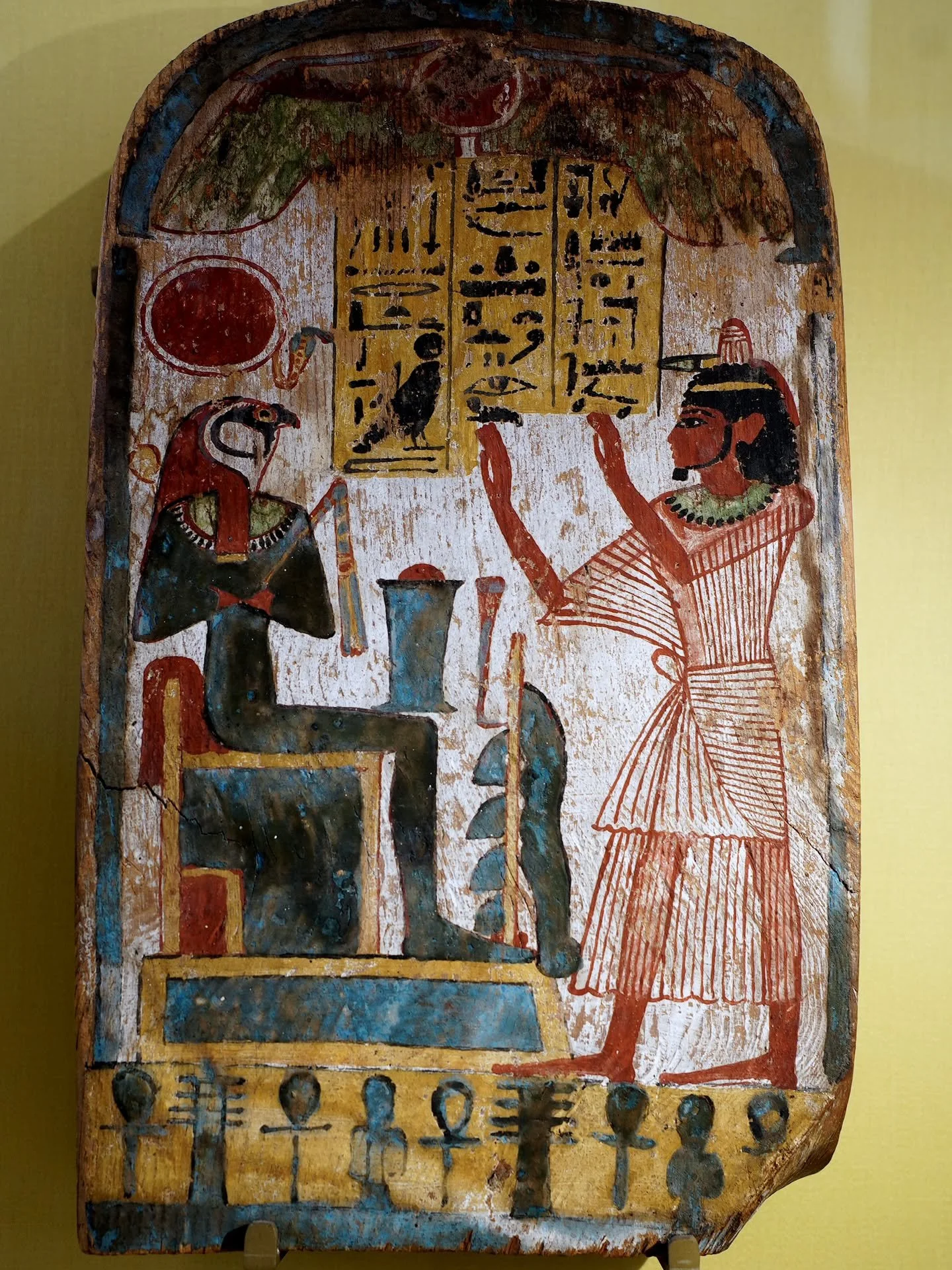
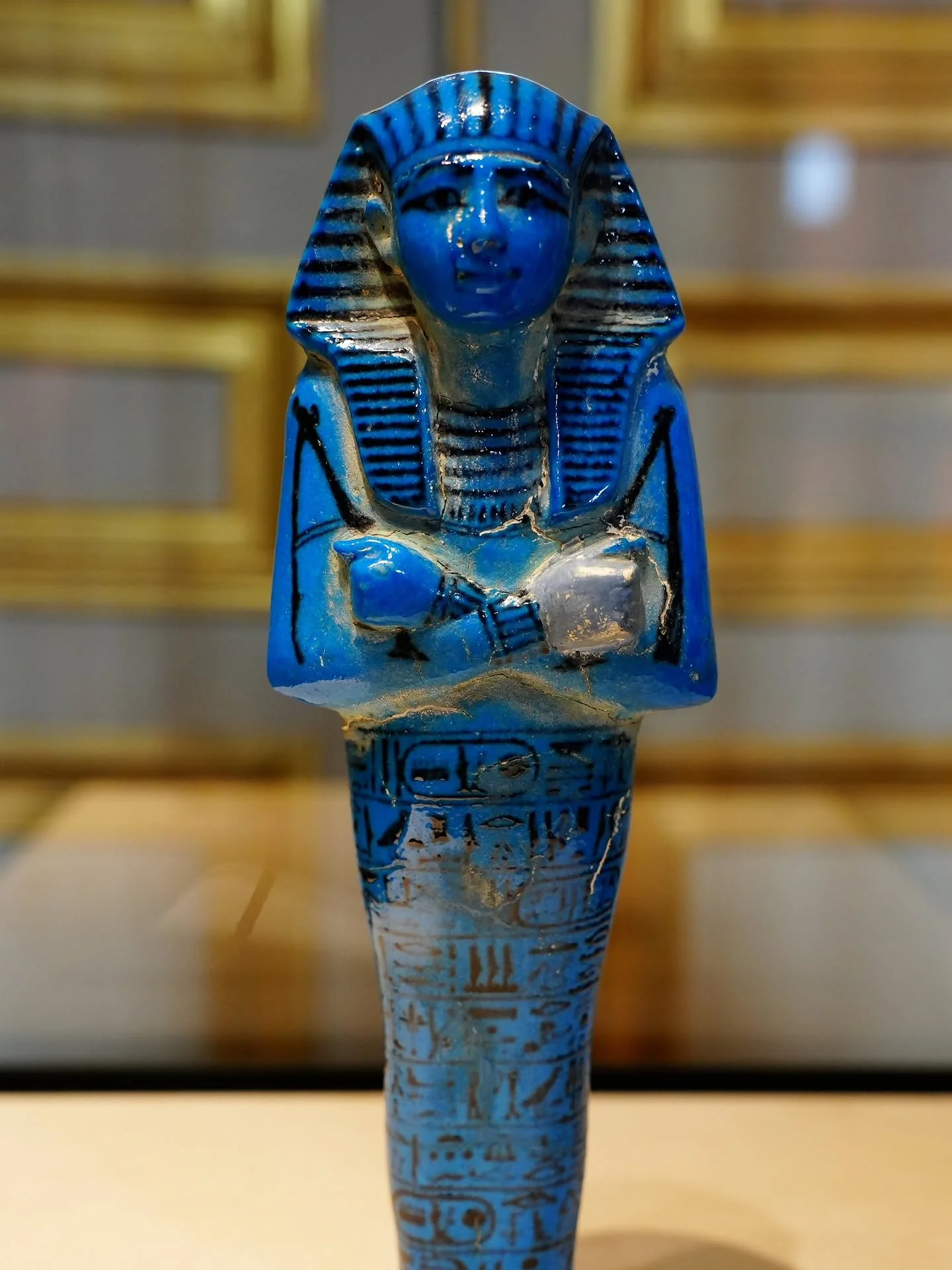
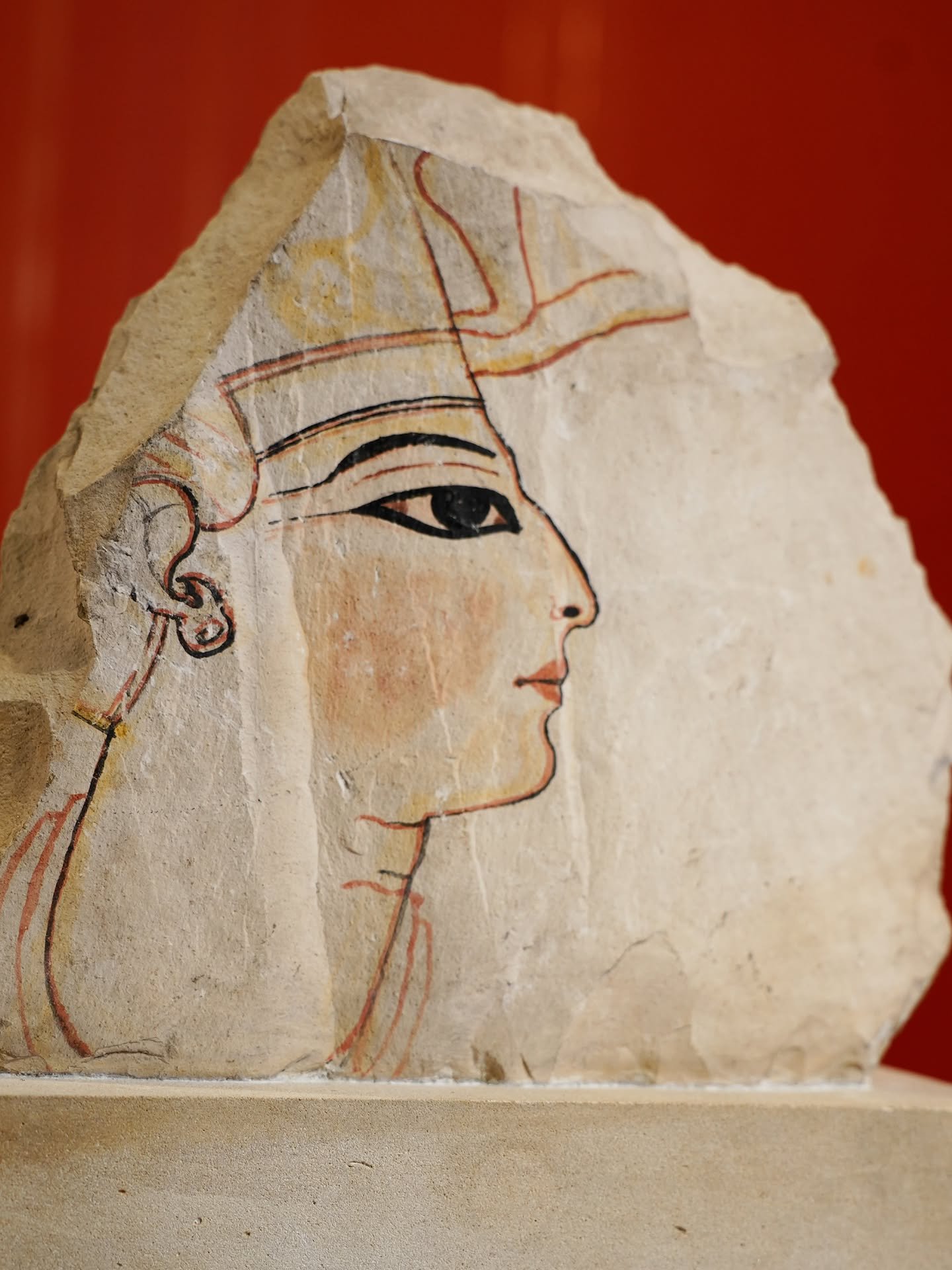
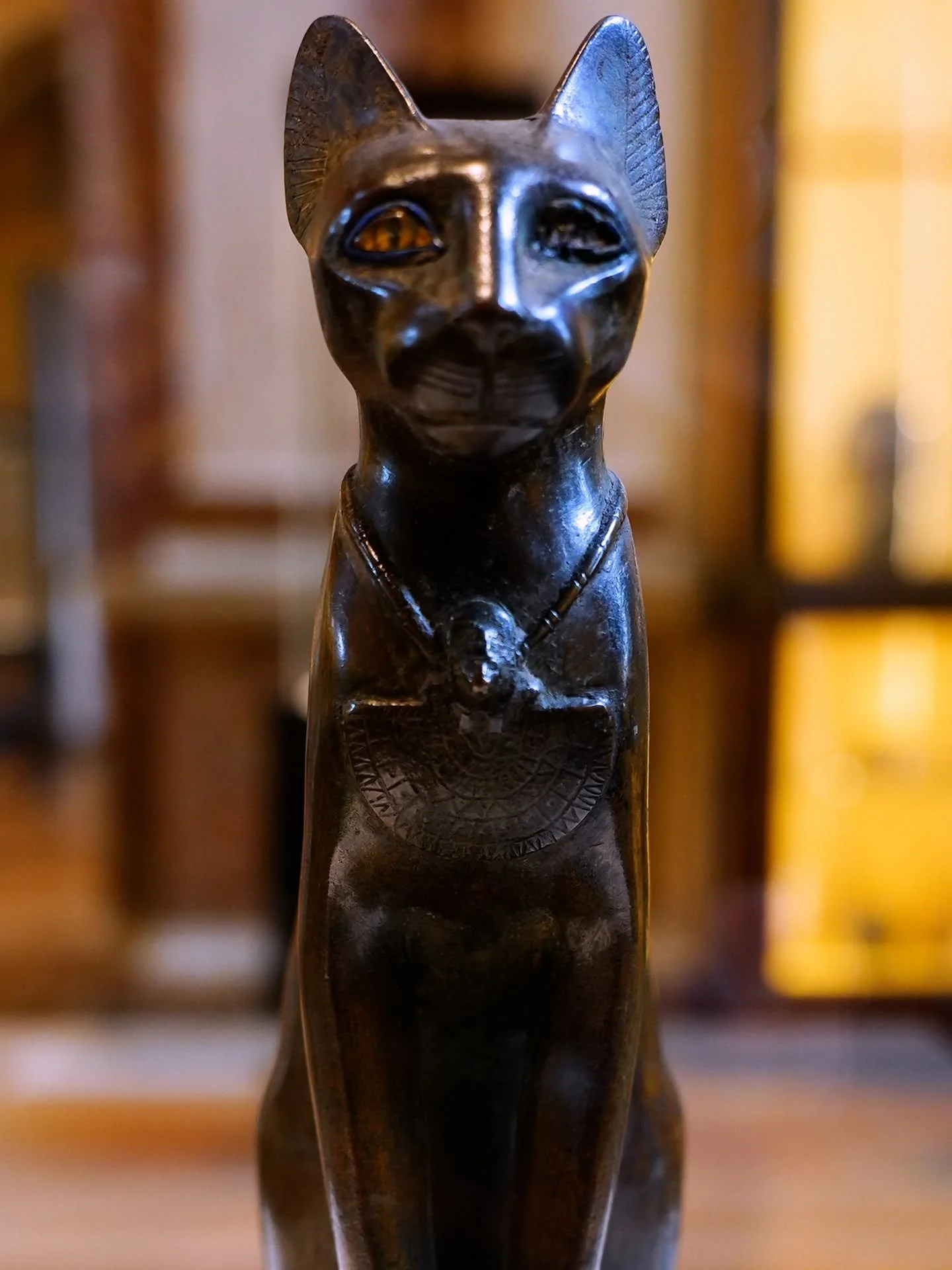
Today, the Department of Egyptian Antiquities at the Louvre remains among the world’s foremost collections of ancient Egyptian art and archaeology. Its galleries preserve thousands of years of royal history, religious belief, artistic mastery, and cultural achievement allowing each generation to encounter one of humanity’s oldest civilizations with both curiosity and reverence.
Yet the institution itself tells an equally important story.
Great museums exist because generations of scholars, collectors, patrons, monarchs, governments, conservators, and benefactors accepted the responsibility of stewardship. Their work reminds us that cultural preservation is rarely accomplished by a single generation. Rather, it is entrusted from one generation to the next through institutions built to endure.
At the McWhorter Family Trust, we believe stewardship extends beyond the preservation of estates or collections. It encompasses the safeguarding of history, architecture, scholarship, works of art, archives, libraries, and the institutions that protect our shared cultural inheritance.
Every manuscript preserved, every work of art conserved, every historic building restored, and every collection responsibly maintained strengthens the continuity between past and future.
Civilizations are remembered not simply because they existed, but because someone chose to preserve their memory.
The enduring legacy of the Louvre’s Egyptian collections reminds us that the greatest inheritance we leave may not be measured in wealth alone, but in the knowledge, culture, and institutions entrusted to those who follow.
The preservation of civilization begins with the preservation of its memory.